
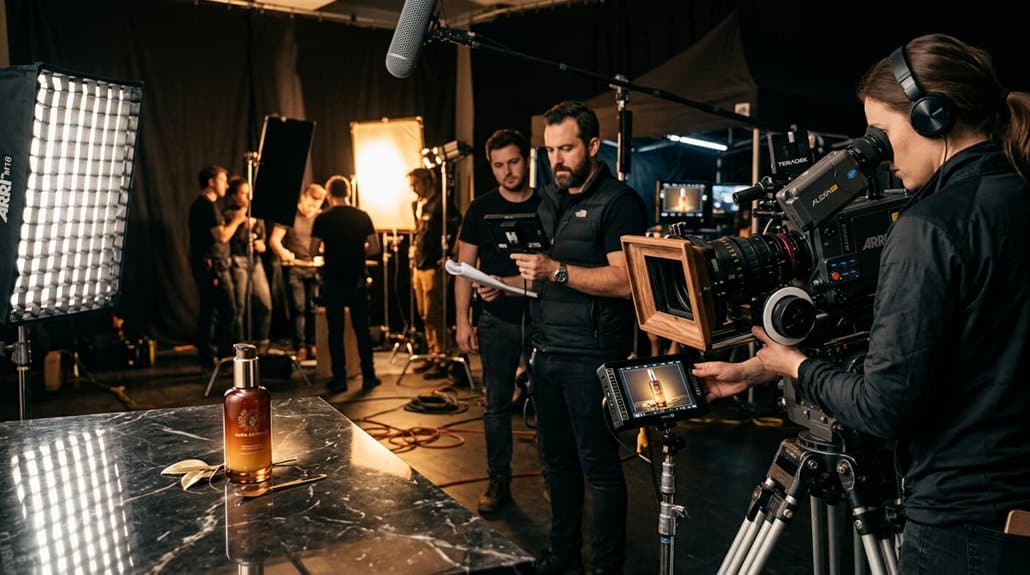
Your marketing film has seconds to earn attention and a clear job to do. When you anchor its story in your audience’s needs, you can turn cinematic craft into measurable action—not just attractive footage. Set a focused goal, plan a production that fits your budget, and choose channels that reach the right viewers. But even a polished film can miss its mark if you overlook one essential step.
Set a Clear Goal for Your Marketing Film
Before you plan a shoot, decide what you want your marketing film to achieve. A clear goal guides every creative and production choice, from the opening hook to the final call to action. Do you need more qualified leads, product trials, or completed purchases? Choose one primary outcome, then define a measurable target, such as a 15% increase in landing-page conversions within three months. That benchmark helps you assess performance and improve future campaigns.
Use Storytelling techniques to connect each scene to that outcome, and let Visual aesthetics reinforce your brand’s promise. A polished film can attract attention, but attention alone won’t prove success. Track relevant metrics, including watch time, click-through rate, and conversions, against your baseline. When you align creative decisions with a specific goal, you make your investment accountable and your message more compelling.
Shape Your Marketing Film Around Your Audience
Once you’ve set a measurable goal, shape the film for the people you want to reach. Identify your audience’s needs, motivations, and viewing habits before you choose a message. Use customer interviews, search trends, and campaign analytics to learn what questions they ask and which channels they trust. Then build a clear story around a problem they recognize and a solution they can picture using.
Content personalization makes that story more relevant. Adapt examples, language, and calls to action for distinct audience segments, while keeping your core message consistent. Strong Audience engagement comes from showing viewers that you understand their priorities, not from adding more effects. Track completion rates, click-throughs, and qualified leads to see whether the film resonates. Use those signals to refine future content and strengthen conversion. When viewers feel understood, they’re more likely to act.
Plan Your Film’s Budget and Shoot
Set a realistic budget by matching production choices to your film’s goal, audience, and distribution plan. Your Budget allocation should prioritize what viewers notice: clear sound, purposeful lighting, and credible talent. Reserve funds for editing, captions, and revisions, not just cameras and crew. A polished story earns attention more reliably than expensive equipment alone.
Build a Shooting schedule around locations, cast availability, and the scenes you need. Group shots by location to reduce setup time and rental costs. Plan extra time for complex scenes, weather risks, and retakes; a tight schedule without buffers can compromise performances. Share the call sheet early so everyone knows when and where to arrive.
Before filming, confirm permissions, props, wardrobe, and shot lists. Assign one decision-maker to approve takes quickly. Track spending against estimates, and protect the elements that make your message feel authentic to your audience.
Distribute Your Marketing Film and Track Results
Choose distribution channels based on where your audience already spends time, then tailor the film’s format and message to each platform. Publish versions for social feeds, email, landing pages, and paid campaigns, matching length, captions, and calls to action to viewers’ habits. Use Audience engagement signals—such as watch time, completion rate, shares, and comments—to see whether your story holds attention and prompts action. Track clicks, leads, conversions, and cost per acquisition with tagged links and platform analytics. Compare results across channels and audience segments, not just total views. Apply Content optimization by testing thumbnails, opening seconds, headlines, and calls to action. Shift budget toward placements that deliver qualified outcomes, and refine weaker versions using viewer behavior. Keep reviewing performance after launch; consistent measurement helps you improve reach, relevance, and return on investment.
Conclusion
When you set a clear goal, shape your story around your audience, and plan your budget and shoot, your marketing film can do more than look spectacular—it can move mountains of attention into meaningful action. Distribute it where your viewers already spend time, then track views, engagement, and conversions to see what works. Refine your approach with real results, not guesswork. Your next film doesn’t just need to impress; it needs to earn trust, inspire action, and turn viewers into loyal customers.
Leave a Reply