
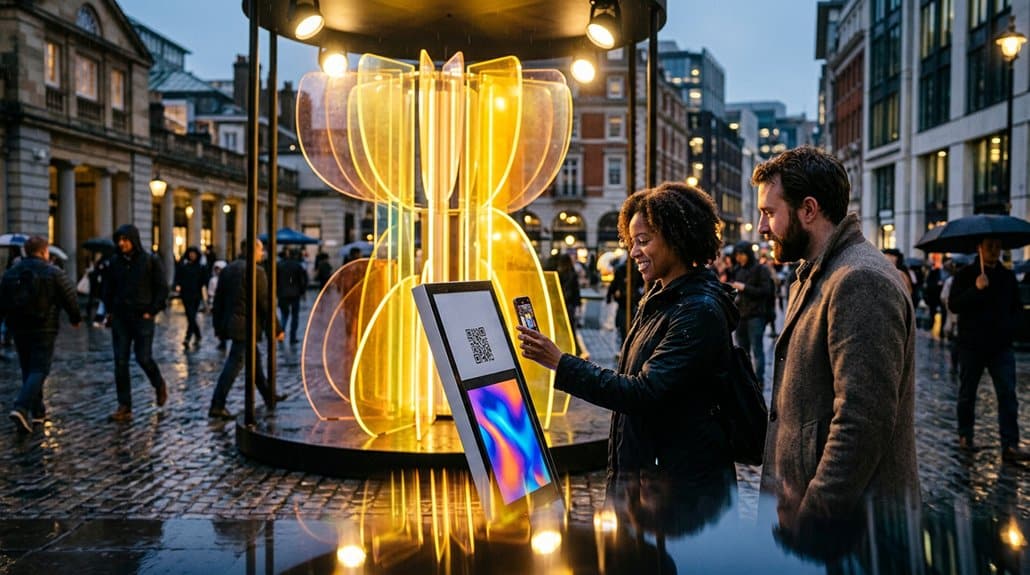
A QR code glows on a street poster as commuters pause, scan, and step into a brand’s digital world. When you connect live events, print, outdoor media, and interactive installations with social prompts and personalized content, you give each channel a clear role in the customer journey. Cross-channel metrics show which touchpoints spark engagement and conversions, helping you refine the experience. The most effective campaigns, however, don’t just connect channels—they change what audiences do next.
How Live Events Turn Online Interest Into Participation
Online interest becomes more valuable when it leads to action. Live events give you a measurable way to turn digital curiosity into in-person participation. Use registration data, referral sources, and audience polls to identify what motivates people to attend. Then tailor invitations, schedules, and experiences to those signals.
At the event, create clear moments for interaction: demonstrations, workshops, or conversations that let attendees contribute rather than simply watch. Track check-ins, session attendance, dwell time, and post-event survey responses to see which activities sustain Audience Engagement. These measures help you refine future programming and connect participation to business goals.
Extend Brand Visibility by encouraging attendees to share their experiences through event-specific prompts and digital channels. Afterward, compare online engagement and qualified leads with attendance data. You’ll learn which event elements turn interest into meaningful, repeatable participation.
How Print and Outdoor Campaigns Drive Online Action
When print or outdoor ads give people a clear next step, they can turn brief exposure into measurable digital action. You can connect each placement to a campaign landing page with a QR code, short URL, or location-specific offer. These routes help you track scans, visits, and conversions by format, site, and creative.
Build print synergy by matching the ad’s message and visual identity to your digital experience, so the handoff feels consistent. For outdoor engagement, place concise calls to action where people have time and a clear view, then tailor creative to local context. Use unique links or codes to compare response across placements and refine spend. If a billboard drives visits but few sign-ups, adjust the landing page or offer. Treat each impression as a test, and use results to improve reach, relevance, and return.
How Interactive Installations Connect Physical and Digital Experiences
Interactive installations extend print and outdoor campaigns by letting people engage with a brand in person and continue the experience online. You can invite visitors to touch, move, or speak to a display, then use a QR code or NFC tap to unlock related mobile content. Augmented Reality can overlay product details, demonstrations, or personalized visuals on a phone screen, linking a physical encounter to a measurable digital action.
Design each interaction around one clear objective, such as product exploration or sign-ups. Sensory Engagement can increase attention, but track dwell time, scans, completion rates, and subsequent conversions to assess its value. Connect installation analytics with campaign data, while respecting consent and privacy. When you make the next step easy to find, visitors can carry the experience from the venue to your digital channels.
What Online-Offline Campaigns Can Teach Marketers?
Blending online and offline media teaches marketers to design campaigns as connected journeys, not isolated touchpoints. You can use each channel to deepen engagement: a live event sparks interest, while a digital follow-up turns that attention into action. Set shared objectives and track consistent metrics, such as visits, sign-ups, and purchases, to see which interactions move people forward.
Treat audience data as a planning tool, not just a reporting resource. Use feedback and behavior to refine content personalization, timing, and offers across channels. Influencer collaborations can extend an in-person moment online, but you should measure their impact through qualified traffic and conversions, not reach alone. Test creative and channel combinations, compare results against clear benchmarks, and shift investment toward the touchpoints that improve the full customer journey. Your strongest campaigns connect experiences and prove their value.
Conclusion
Online-offline campaigns work best when every touchpoint moves you toward a measurable action. Treat each channel as a link in one chain: events spark participation, print and outdoor media prompt digital engagement, and interactive installations make brand experiences memorable. Consider radio advertising on a local radio station. Track scans, visits, sign-ups, and conversions across channels, then use those results to refine your next campaign. When you connect creative ideas with clear metrics, you don’t just attract attention—you turn it into lasting engagement and business growth.
Leave a Reply